Faith in Action at the DC Summit
My recent trip to the DC Summit was both encouraging and deeply affirming. As I met with leaders from HUD, the West Wing Faith Office, the HHS Faith Office, Congressman Jeff Crank, and others, one message came through clearly: faith-based providers are being recognized as primary care providers for those suffering from substance use disorder.
For those of us serving on the front lines, this matters. Every day, faith-centered ministries step into the lives of men and women facing addiction, homelessness, trauma, and hopelessness. We do more than offer services. We offer presence, truth, accountability, community, and hope. We walk with people not only through crisis, but through the long road of healing and restoration.
At the summit, it was clear that federal leaders are seeing what many of us have known for years: faith-based organizations are not a side effort in recovery work. They are essential partners in helping people rebuild their lives.
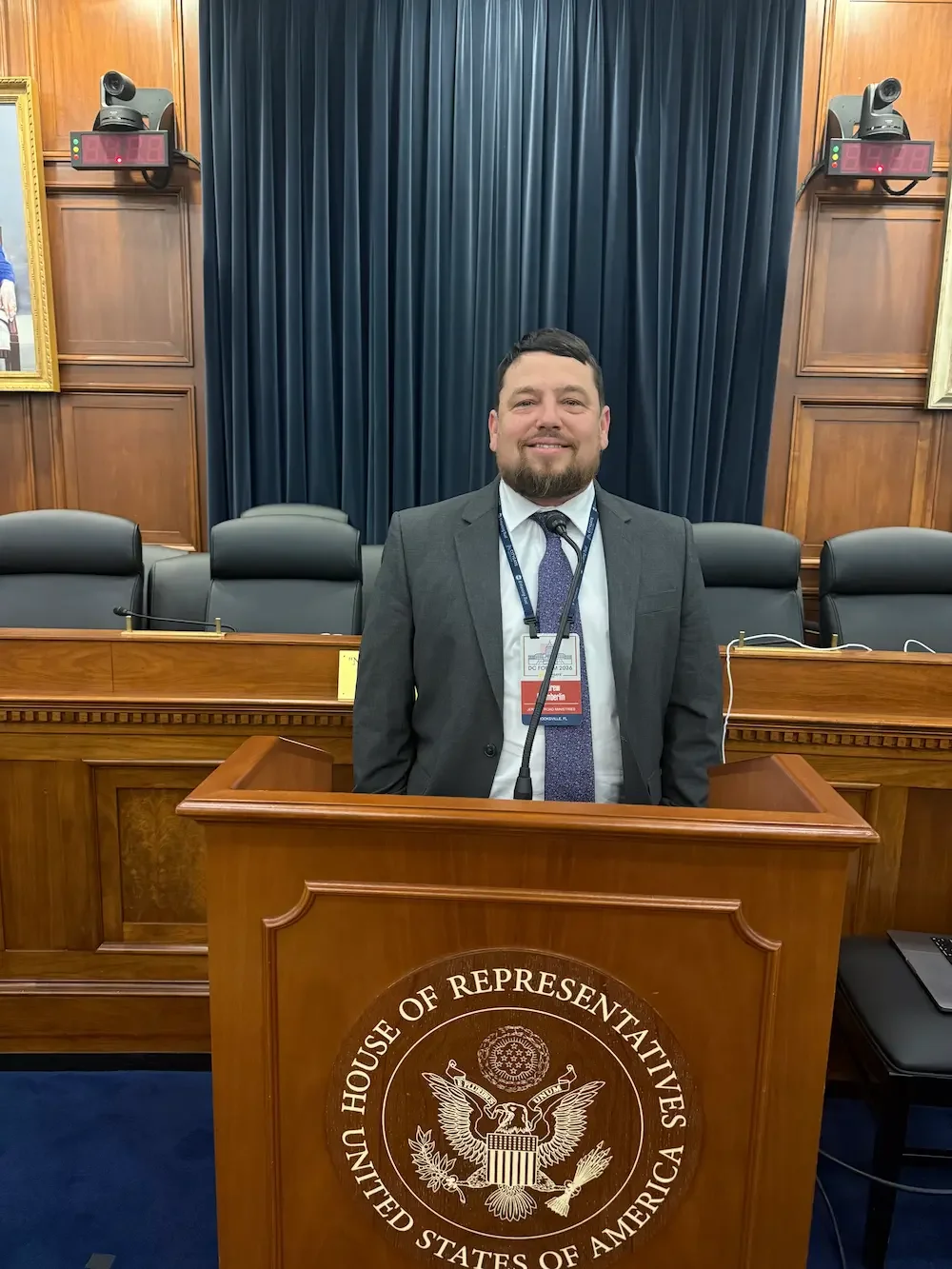
A Seat at the Table
Our conversations in Washington reflected a growing awareness that effective care for substance use disorder must address the whole person. Recovery is not only physical. It is emotional, relational, practical, and spiritual. Faith-based providers are uniquely equipped to meet people in that full reality.
Meeting with representatives from HUD, the West Wing Faith Office, and the HHS Faith Office reinforced that this perspective is gaining traction at the highest levels. There is increasing openness to the role faith communities play in recovery, housing stability, and long-term transformation.
It was also an honor to connect with Congressman Jeff Crank and other leaders who are helping advance these conversations. These meetings were not symbolic. They reflected real engagement around how faith-based organizations can continue serving effectively and sustainably.
Funding Without Compromising Faith
One of the most significant takeaways from the summit was this: funding opportunities are opening up in ways that do not require faith-based providers to abandon or dilute their faith practice.
That is a major development.
For too long, many ministries have felt tension between accessing public support and remaining fully faithful to their mission and identity. What we heard in DC was encouraging. There is a growing recognition that faith-based organizations should not have to separate their spiritual foundation from their service model in order to receive support.
This creates meaningful opportunities for ministries like ours. We can continue offering care that is rooted in conviction, prayer, Scripture, community, and transformation while also exploring resources that help us expand our impact.
Why This Matters
The people we serve are not projects. They are image-bearers of God with stories, pain, potential, and purpose. Substance use disorder is complex, and lasting recovery requires more than short-term intervention. It requires relationships, structure, healing, and hope.
Faith-based providers have long understood this. We have seen that transformation happens when people are loved consistently, challenged truthfully, and invited into a new way of living. That work is sacred, and it is encouraging to see federal leaders acknowledge its value.
Looking Ahead
I left the DC Summit grateful, hopeful, and more convinced than ever that this is an important moment for faith-based organizations across the country. Doors are opening. Conversations are shifting. Partnerships are becoming possible.
For those of us committed to serving people suffering from substance use disorder, this is not the time to step back. It is the time to lean in with wisdom, courage, and faith.
We are thankful for the opportunity to represent this work in Washington and to help ensure that faith-based providers continue to have a voice in shaping the future of recovery care in America.
Please pray with us as we continue this mission and seek every opportunity to bring hope, healing, and lasting transformation to those who need it most.